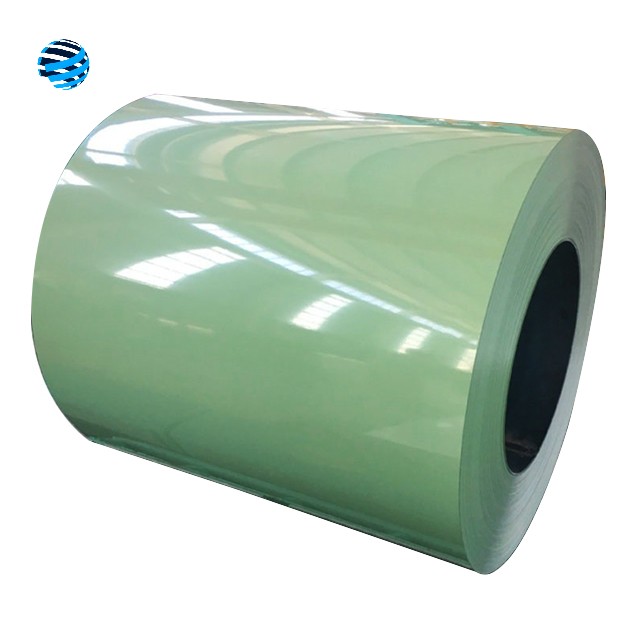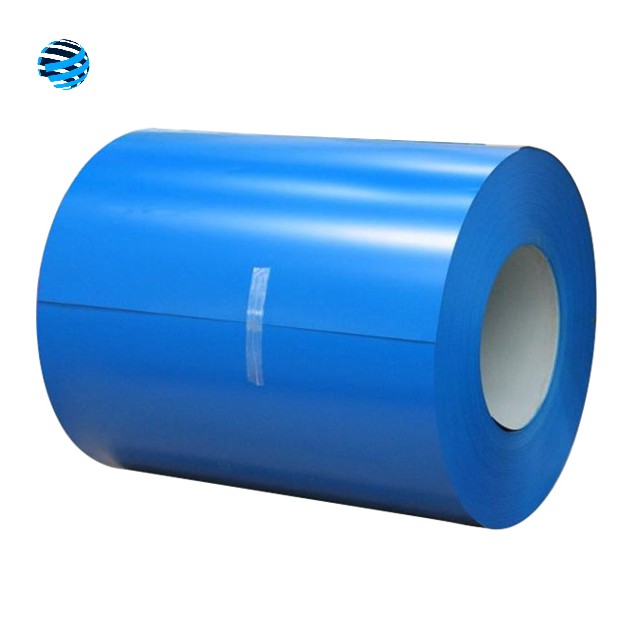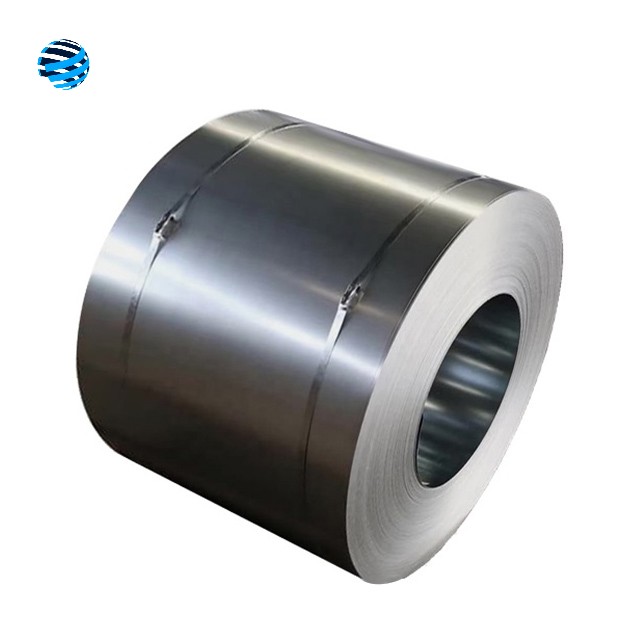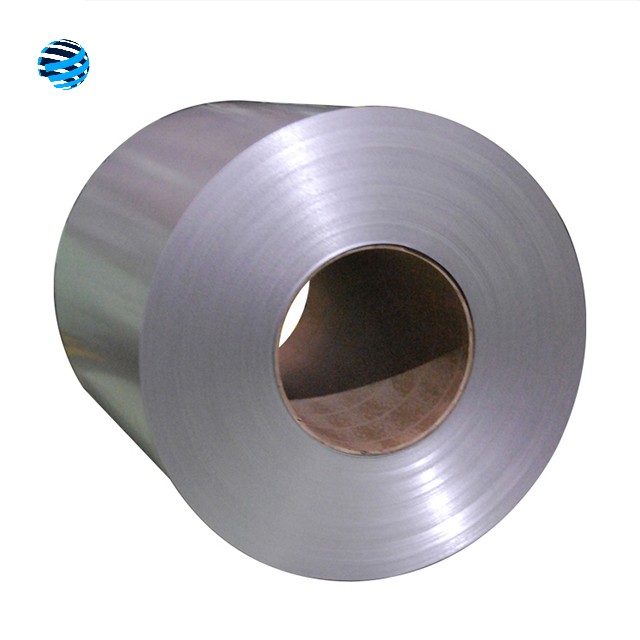


Understanding the zinc coating on a galvanized steel coil is critical for selecting the right material for corrosion protection, cost-efficiency, and project longevity. The zinc coating acts as a sacrificial anode, shielding the base steel from rust and oxidation. For over 15 years, ChinaCNU Steel’s ISO-certified Qingdao factory has exported premium galvanized steel coils with precise zinc coating control to 50+ countries, offering FOB pricing and an MOQ of 25 tons. This guide will detail the specifications, standards, and applications to inform your next purchase.
The performance of a galvanized steel coil is directly defined by its zinc coating weight, typically expressed in grams per square meter (g/m²) on both surfaces combined. Common commercial designations like Z60, Z120, and Z275 correspond to minimum coating weights, indicating the level of protection.
Z60 coating offers a lighter protection, suitable for interior or mildly corrosive environments. Z120 is a versatile, medium coating weight used extensively in construction and appliances. For severe industrial or marine exposures, Z275 coating provides maximum durability. The coating thickness GI (Galvanized Iron) directly correlates to these weights, with a thicker zinc layer offering a longer service life before maintenance.
The dominant method for applying a zinc coating is continuous hot-dip galvanizing. This process involves cleaning the steel coil, annealing it, and then immersing it in a molten zinc bath. Upon withdrawal, the zinc metallurgically bonds with the steel surface, forming a series of zinc-iron alloy layers topped by pure zinc. This creates the characteristic spangled finish and ensures exceptional adhesion that won’t flake or peel during forming.
Beyond the zinc weight galvanized, other specifications are crucial. Material grades like DX51D, DX52D, and DX53D define the base steel’s formability and intended use (e.g., drawing, deep drawing). The steel substrate’s yield and tensile strength must also align with structural requirements.
Galvanized coils can be supplied with different surface finishes. Regular spangle, minimized spangle, or smooth skin-passed finishes are available to meet aesthetic or painting prerequisites. The choice can affect paint adhesion and the final visual appearance of the product.
Selecting the correct zinc coating ensures cost-effective performance. Lighter Z60 coatings are perfect for HVAC ductwork, interior framing, and electrical cabinets. The widely used Z120 coating is the standard for roofing, wall cladding, and general fabrication. Heavy Z275 coating is specified for structural components, transmission towers, and highway guardrails exposed to de-icing salts. The corrosion resistance provided by the zinc layer is the primary factor in these application decisions.
Global standards govern galvanized steel coil production. Key standards include ASTM A653 (USA), EN 10346 (Europe), and JIS G 3302 (Japan). These standards specify requirements for coating weight adherence, mechanical properties, and dimensional tolerances. As an ISO-certified manufacturer, ChinaCNU Steel rigorously tests coils to ensure they meet or exceed these international benchmarks, providing consistent quality for export markets.
| Coating Designation | Min. Coating Weight (g/m²) | Typical Coating Thickness | Primary Applications | Relative Corrosion Life |
|---|---|---|---|---|
| Z60 (G60) | 60 | Approx. 4.2 µm per side | Interior ductwork, dry environments, light gauge products | Standard |
| Z120 (G90) | 120 | Approx. 8.4 µm per side | Roofing, siding, appliances, general fabrication | Good |
| Z180 (G120) | 180 | Approx. 12.6 µm per side | Heavy-duty building panels, agricultural equipment | Very Good |
| Z275 (G185) | 275 | Approx. 19.3 µm per side | Structural components, highway hardware, severe industrial | Excellent |
Q: What is the difference between Z120 and G90 coating?
A: They refer to the same minimum coating weight of 120 g/m². Z120 is the designation per the European EN 10346 standard, while G90 is the equivalent class under the American ASTM A653 standard. The performance is identical.
Q: How does coating weight affect the price of a galvanized coil?
A: Price increases with coating weight. A Z275 coil uses significantly more zinc than a Z60 coil, making it more expensive. However, the extended service life in corrosive environments often provides a better total cost of ownership.
Q: Can galvanized steel coils be painted or powder-coated?
A: Yes, excellently. The zinc coating provides an ideal, corrosion-resistant base for paint systems. For best results, a surface treatment like phosphating or chromating is often recommended before painting to enhance adhesion.
Q: What is the typical lead time for an order with a 25-ton MOQ?
A: For standard grades and coating weights from our Qingdao factory inventory, lead times can be as short as 10-15 days for production and preparation for shipment. Custom specifications may require additional production time.
Q: How do I specify an order to ensure I get the right corrosion protection?
Related Products from ChinaCNU Steel
A: You should specify the material grade (e.g., DX51D), the zinc coating designation (e.g., Z120), the dimensions (width, thickness, coil weight), and the surface finish. Our technical team can advise based on your specific application and environmental exposure.
Tell us your specs and we'll reply within 24 hours.
Request Free Quote Now